A in-app mobile game build for
a grip strengthener device called SQUEGG
User Experience Design|Game Design|User Interfaces Design
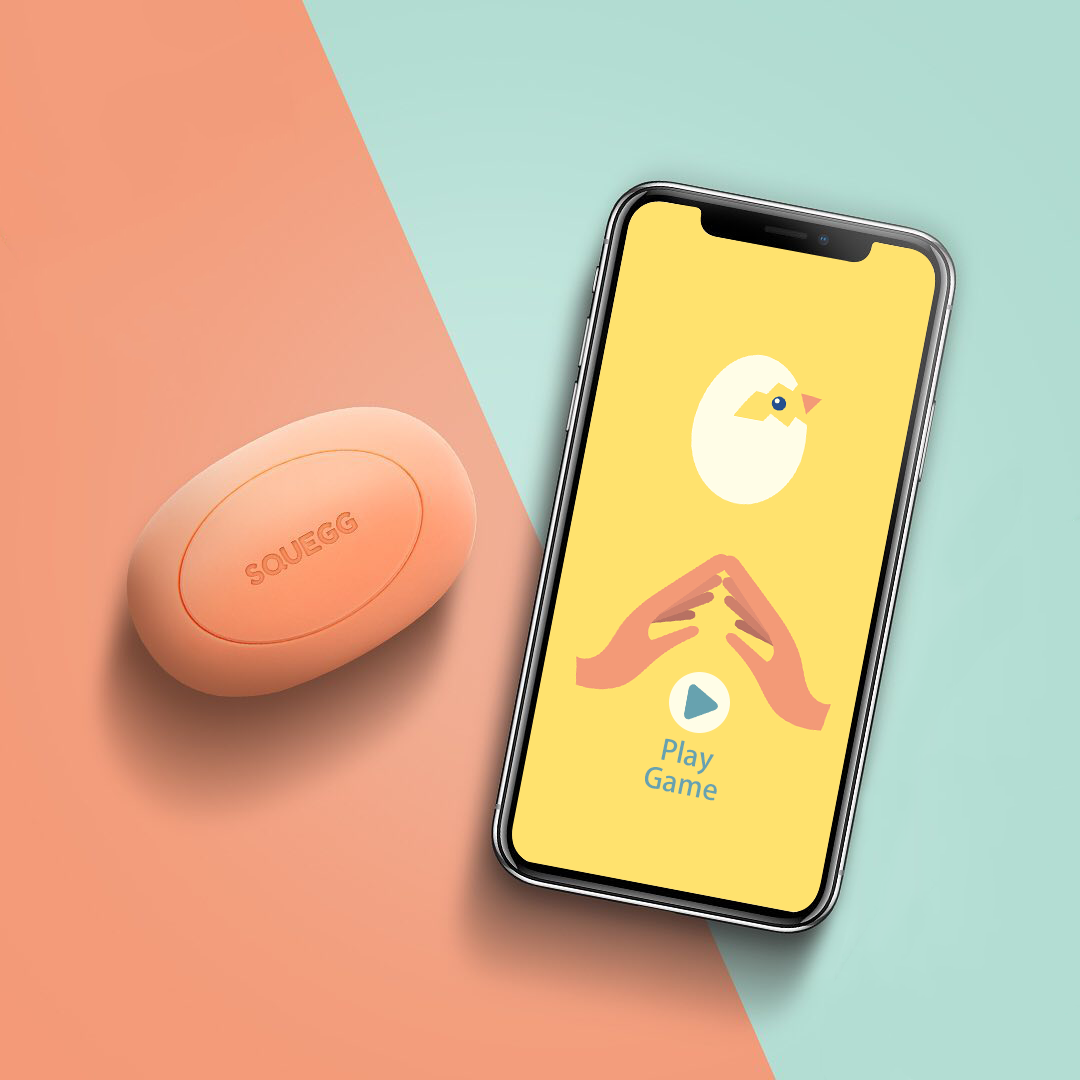
What is SQUEGG ?
A smart device build for grip training and hand therapy. The shape and size of the device is like an egg.
SQUEGG comes with its own mobile app that allows people track and record their grip strength, training time length and frequency. The app also has in-app games that can use the device to play with.
The main goal of the game is to drive user’s training engagement. The game shall consider the characteristics of the target audience and be compatible with the concept of SQUEGG. Letting users enjoy their training time.
Gameplay
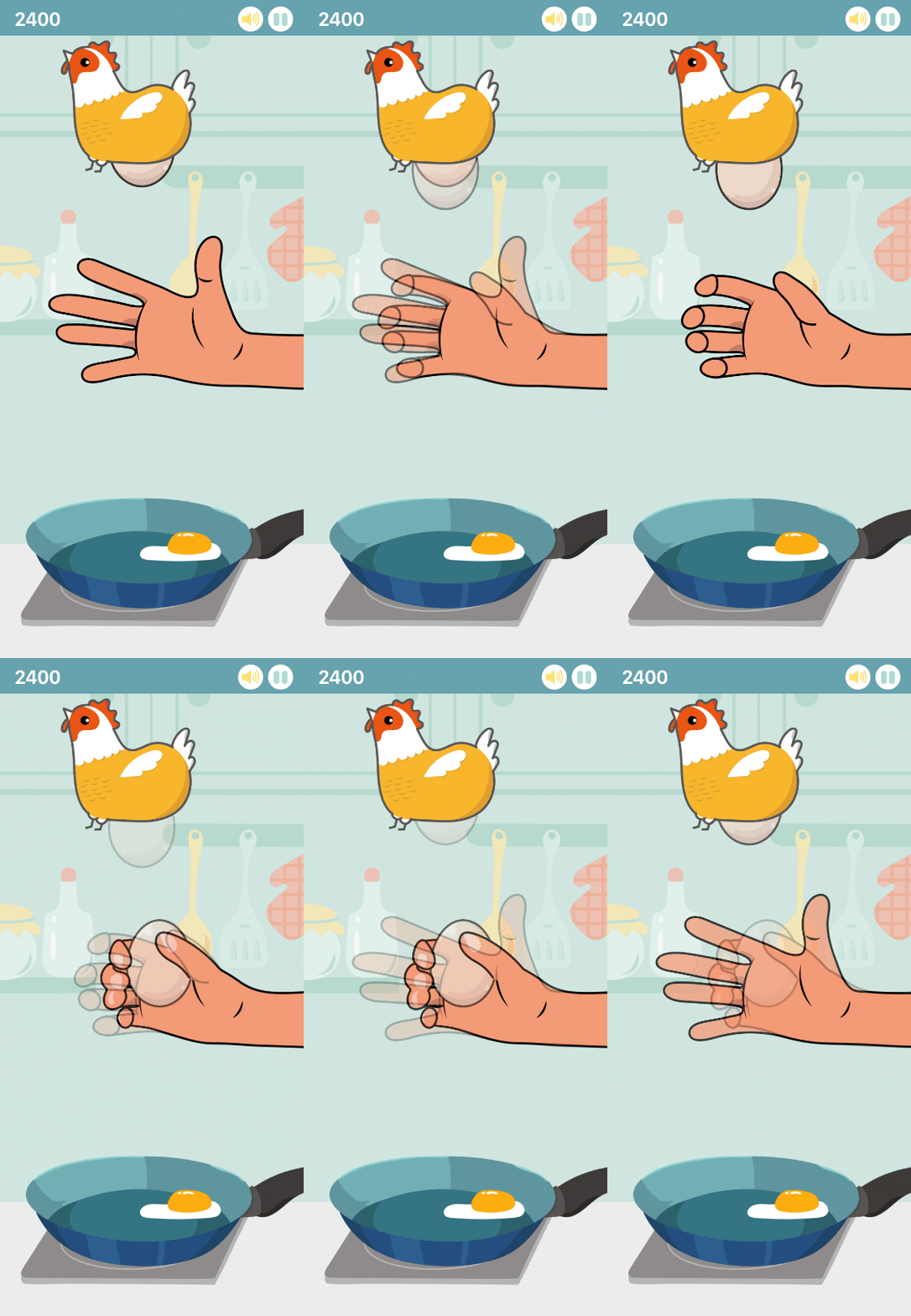
Speed Mode - The hen on the top of the screen will lay eggs at any time. Players need to grip a SQUEGG device to catch the fresh eggs when eggs are passing through the hand at an accurate time.
Endurance Mode - The hen on the top of the screen will lay fresh eggs. Players need to grip and continue holding the SQUEGG device for a certain time to hatch eggs in their hand.
Target Audience
(a) People sit for a long time during the day and have no time to do exercise
(b) The elders who have weakened grip strength.
(c) People who had hand injury and need rehabilitation therapies to recover.
The (b) and (c) users already have a hard time doing normal movements which we think are easy in daily life. Therefore the game shall not be too challenging or difficult, we want to avoid bringing some more frustrated feelings for our users.
Game User Experience improvement - The consistency of real hand pose/action and the visual stimulus from the game.
Because people need to grip SQUEGG to make the character move in the game, I want to design a game that is about the motion of grip, grab or hold, so that people can have a consistent feel with their vision on the phone and their real hand motion on the SQUEGG. Since consistency creates comfort, when people feel comfortable with the experience of using Squegg to play the game, they could be more engaged in the game and Squegg.
Game User Experience improvement - Visual clue/cues and feedback through the whole game.
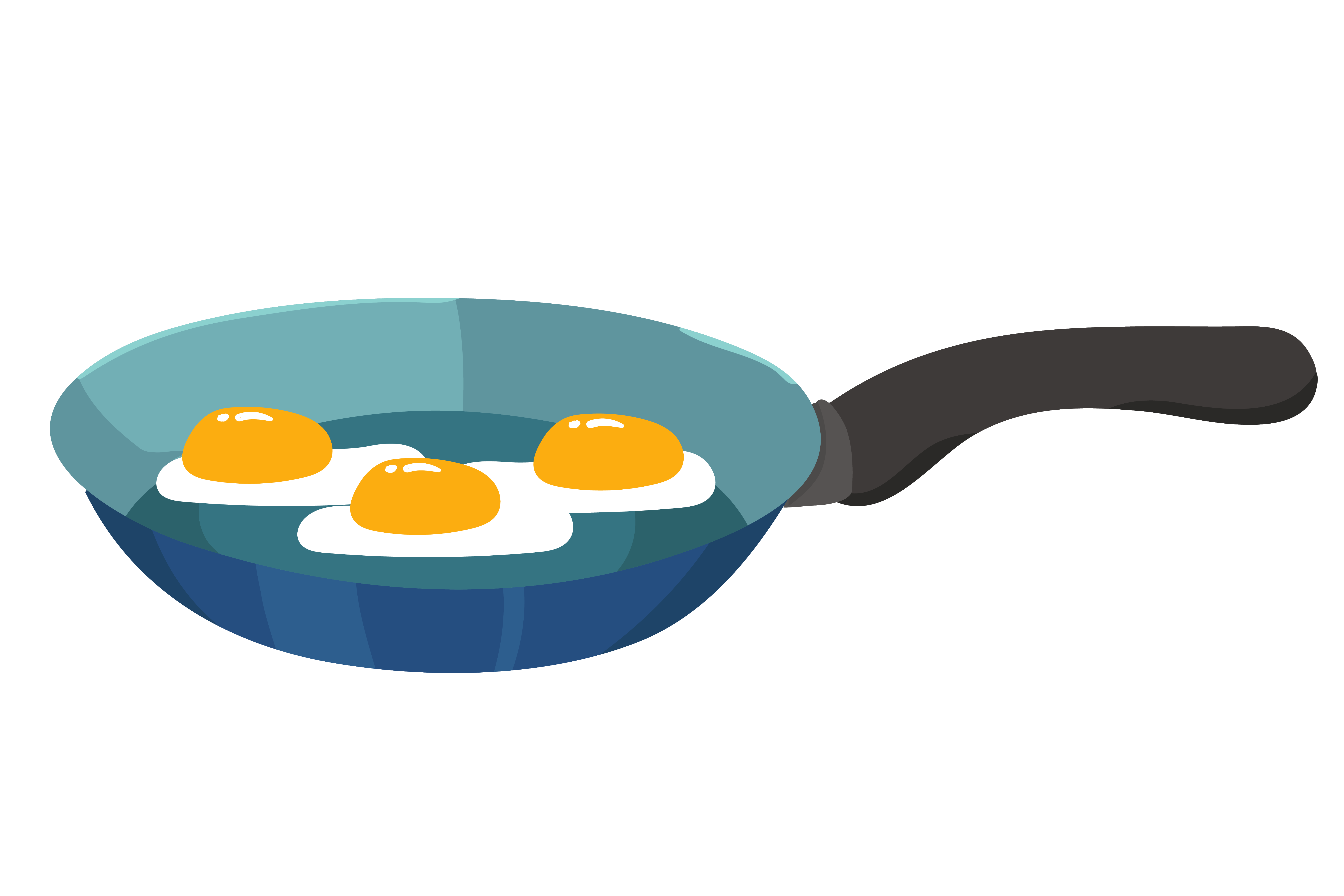
When the hen is ready to lay, it will look a little different to provide players with some cues. The egg on the pan which players didn’t catch successfully also gives a clue for players so that they know how much egg they’ve missed so far and how many chances they still have before the game ends.
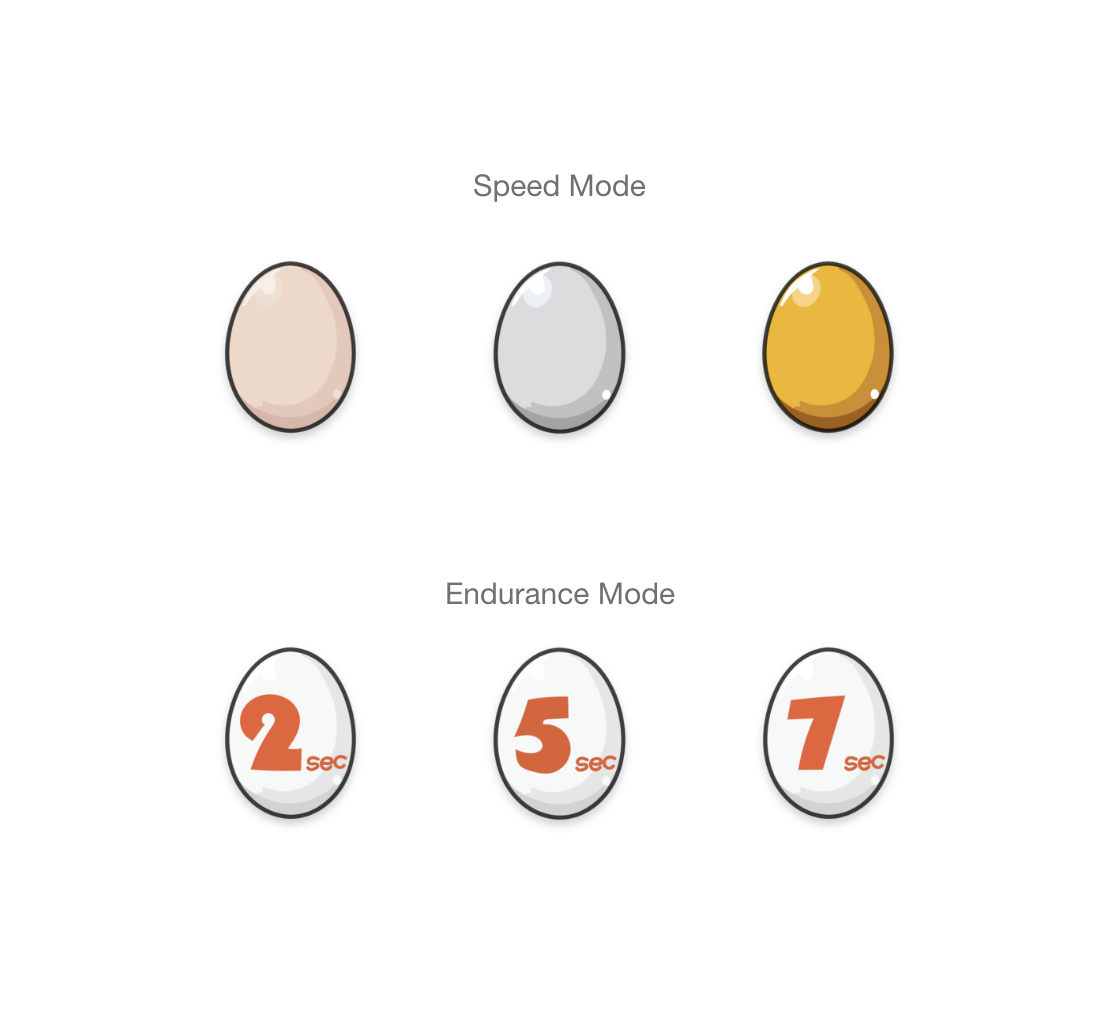
Using different types of clues in different modes.
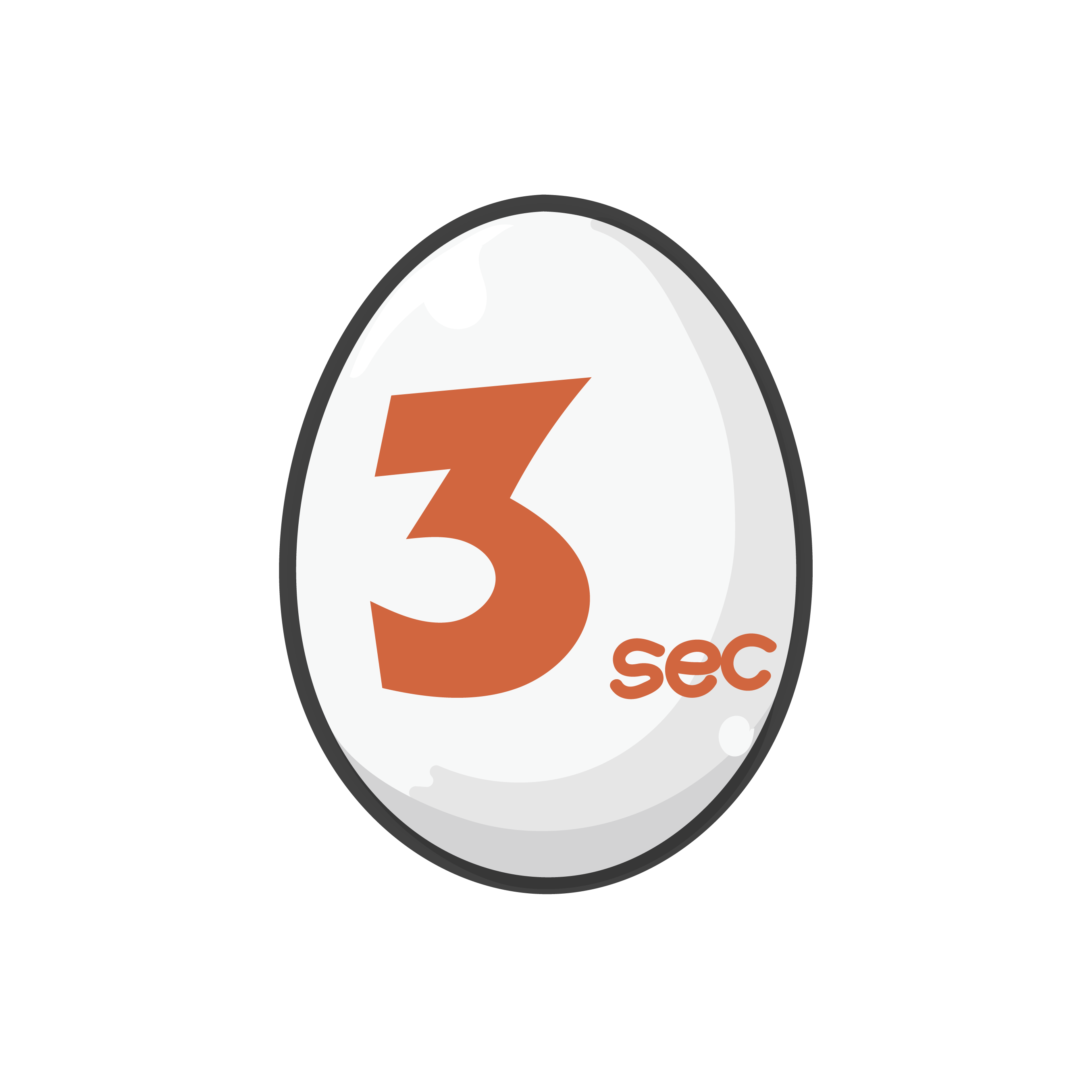
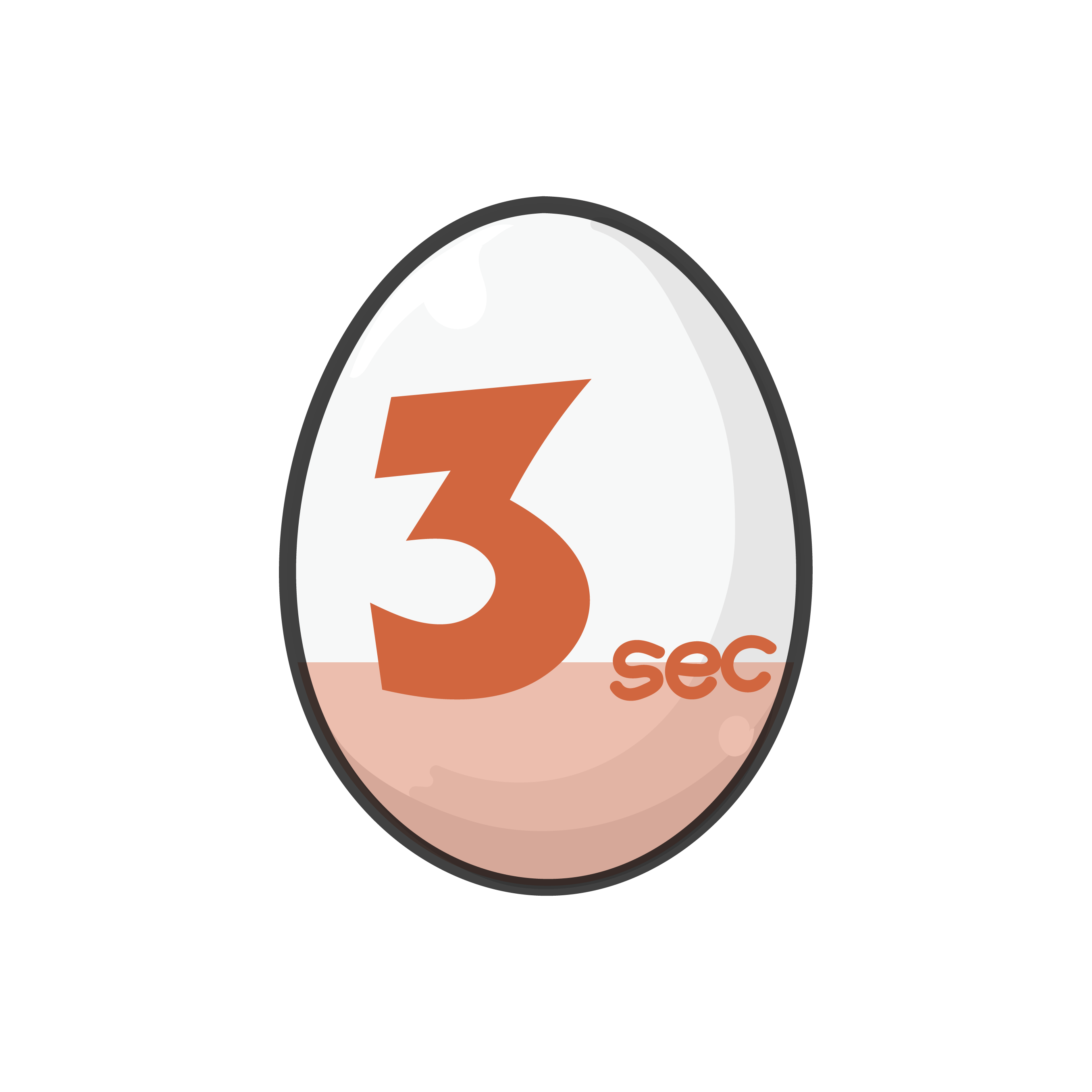
In speed mode, eggs falling with different speeds are separated by different colors. Whereas in endurance mode, eggs need to hold in different durations are separated by numbers, that is text.
Because people might get confused if we use the same clue for different actions that people should use SQUEGG to do, so we gave two modes with different “categories “ of clues to help people notice which mode they are playing now.
Challenges 1
SQUEGG’s users are from normal people to elder or disabled people. For those who have not so great capacity to act, the things normal people can do effortlessly could be very hard for them. For example, holding a cup up. Therefore we want to avoid giving them some more frustrated feelings when they play the game as they’ve already suffered in their life.The challenge then rises up - the game shall be not too difficult but still have enough fun so that people will want to play.
Solution
Failing to catch eggs and watching eggs falling to the ground could be heartbreaking. So I designed the game in the way that missed catching eggs would fall into the pan and start cooking in the pan. The number of eggs cooked in the pan not only gives people clues of how many lives they remain but also reduces players’ sad feeling for wasting those eggs they didn’t catch.
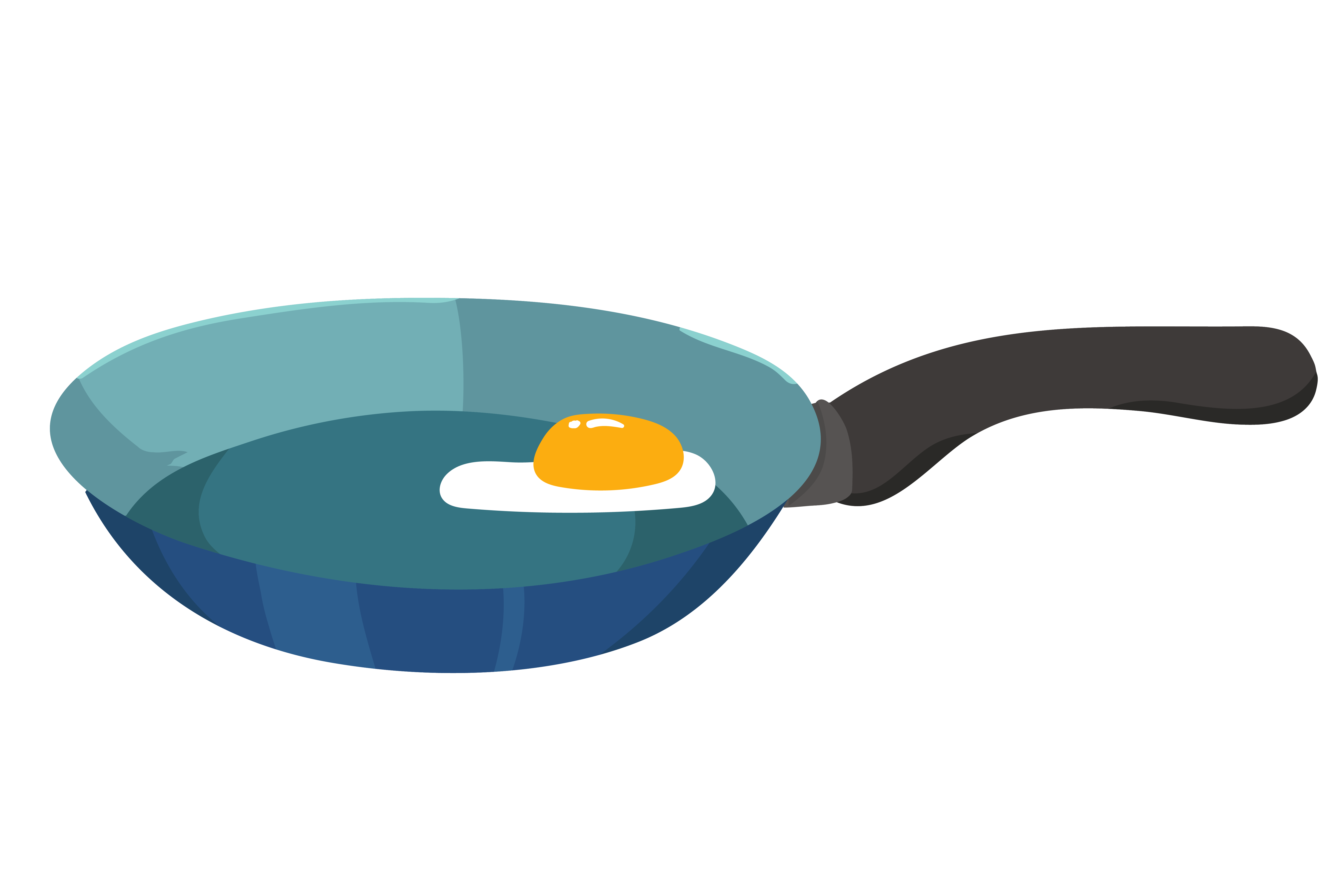
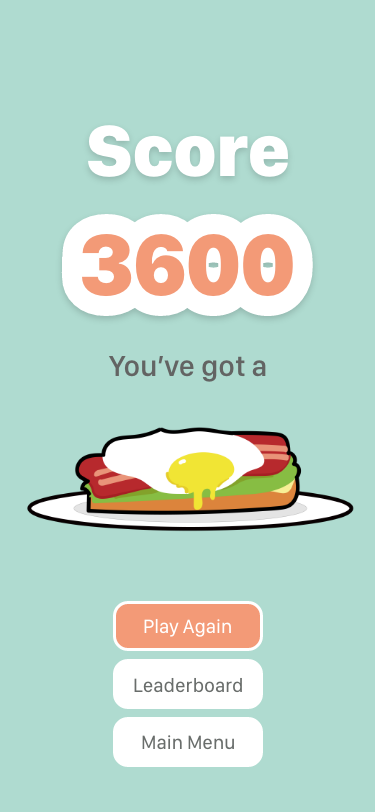
When the game is over, the eggs cooked in the pan will become a delicious dish and serve to players on the game end screen. This is also a design to decrease players’ feeling of losing.
Challenges 2
If users throw themselves too much into the game, they might unconsciously put too much strength on SQUEGG when training and end up with hand injury. We have to be careful not to let users get hurt from playing games.
Solution
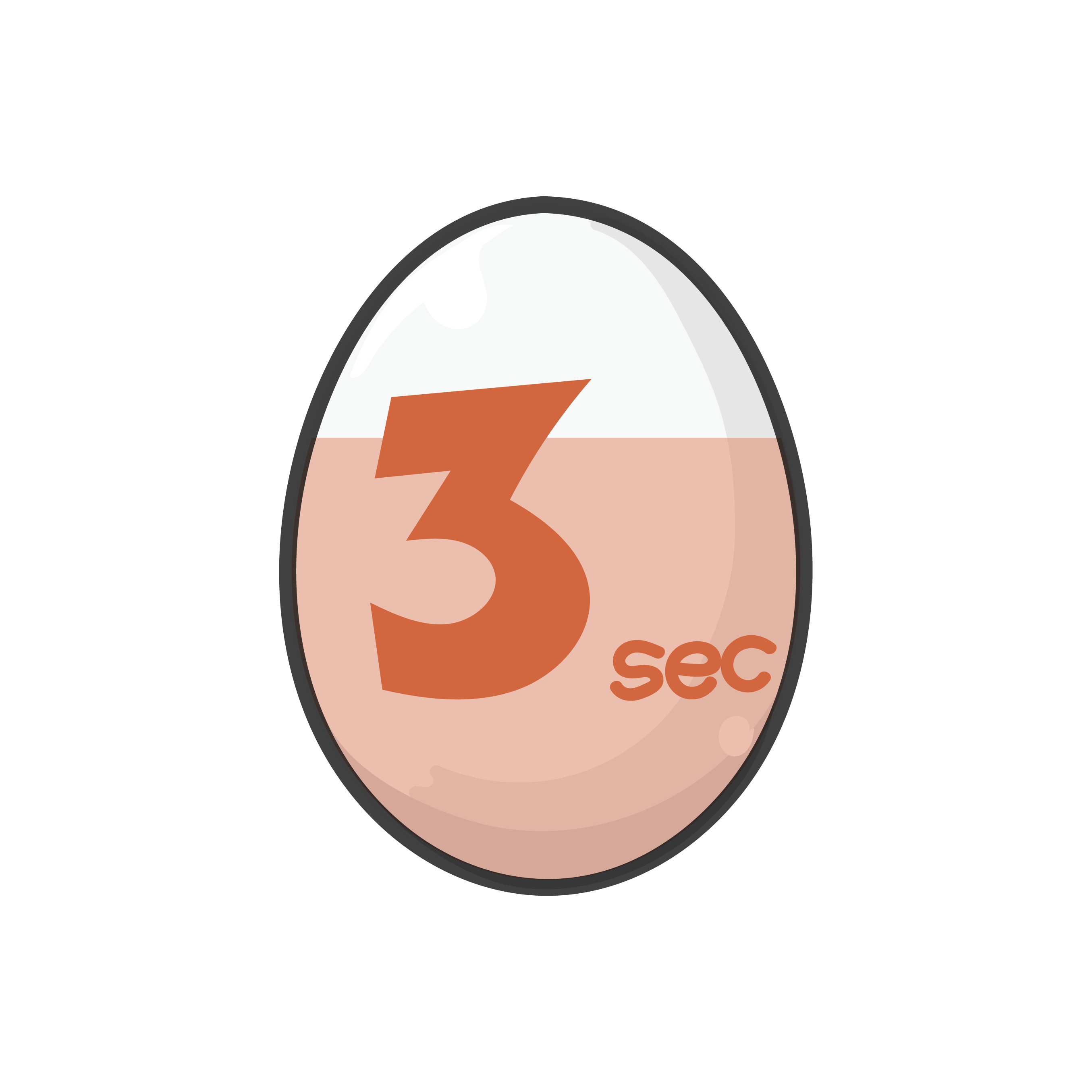
When talking about hatching, the first image coming up would usually be crack eggshells. But this image is too much associated with crumbled eggs by hand. People might subconsciously put lots of strength to speed up hatch eggs time without even notice, they might get hurt if they do this. Therefore I didn’t use cracks to indicate hatching. Instead, changing the color of eggs was used to give people clue/feedback that they are hatching eggs correctly and just hold there a little longer, a chick will come out from the egg.
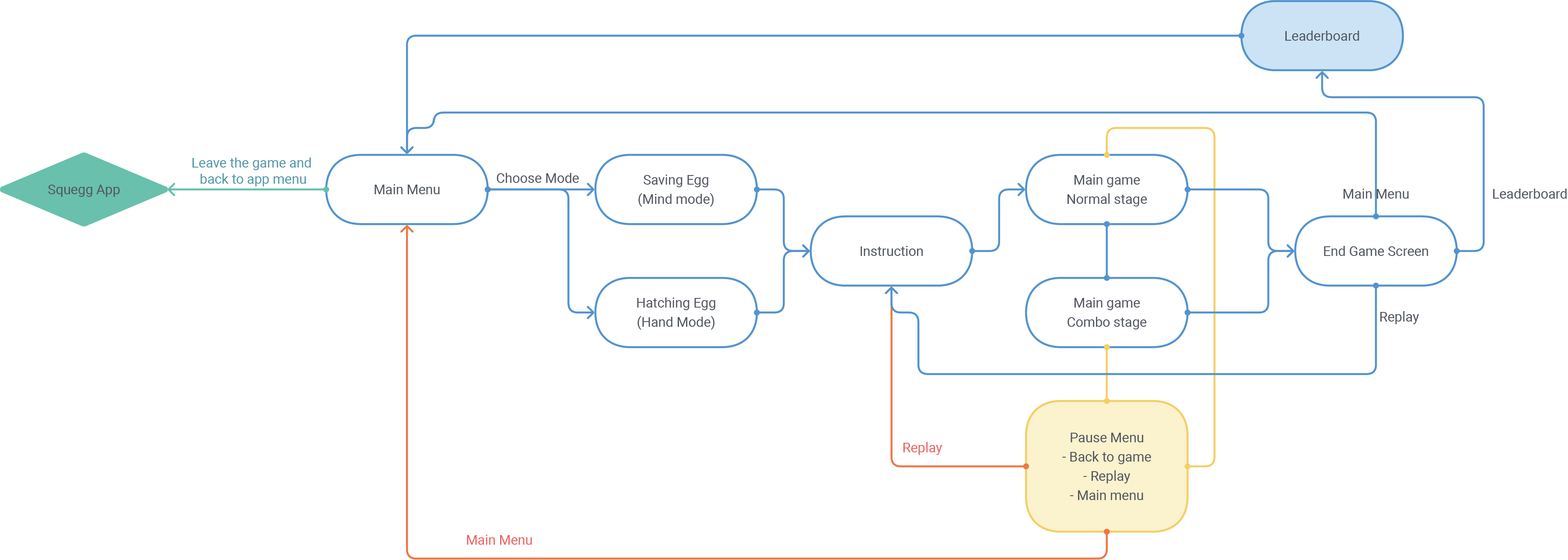
Workflow
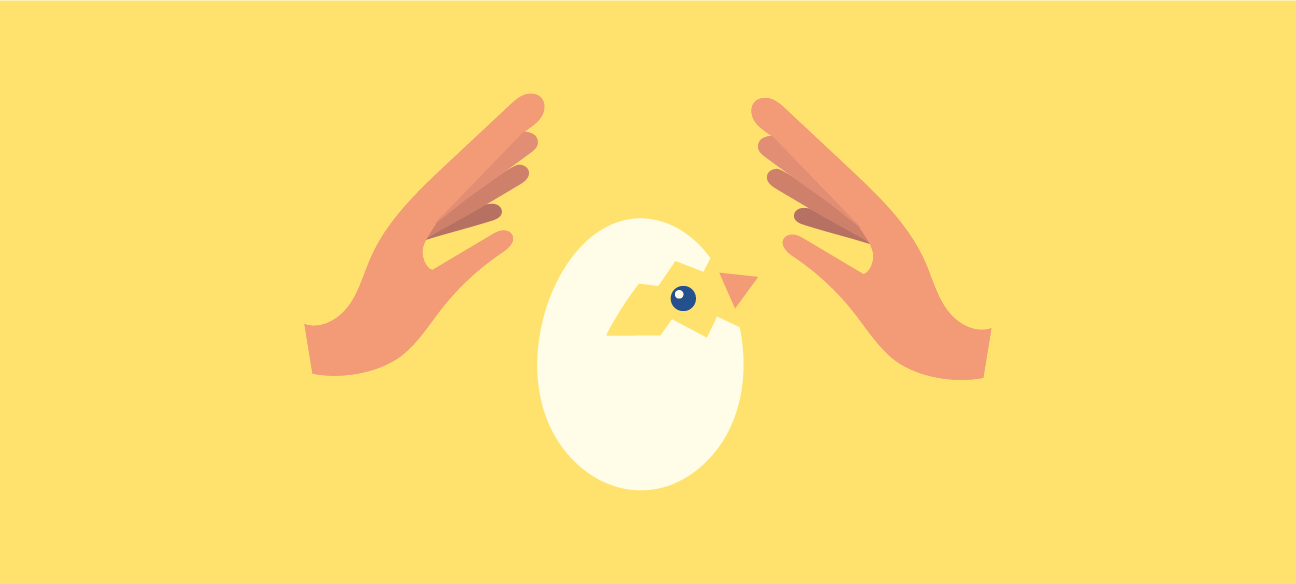
Game Poster (Enter Button Image) Design

My role in this project
I was fully responsible for developing game, designing game mechanics, game assets, drawing characters, improving UX and designing UI.
Thank you for taking the time reading this project :)
Back to homepage see my other works⇂
or get in touch
wwyuuna@gmail.com
+886 9 63 250 838
